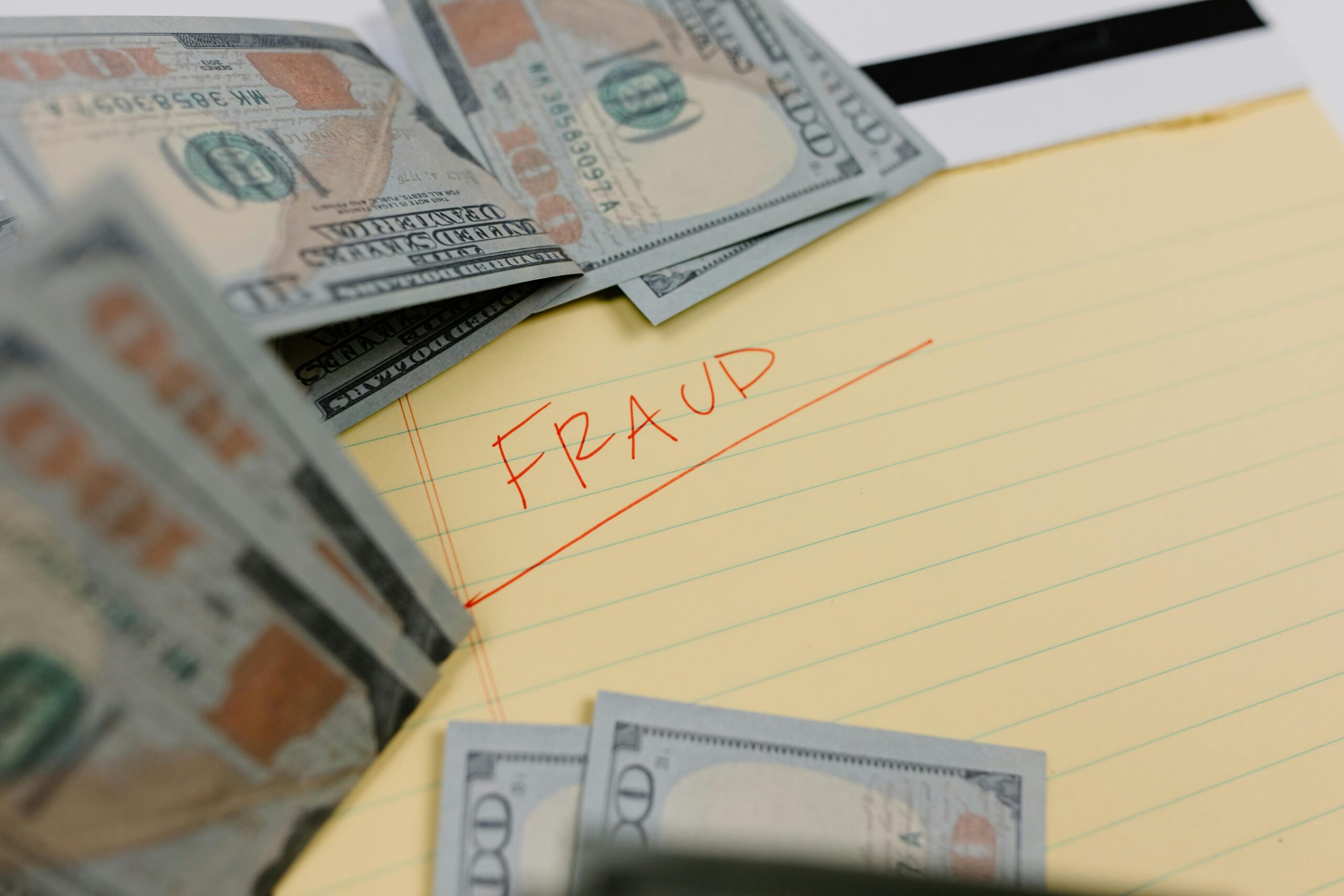
Fraud is a word that can strike fear into anyone. It doesn’t just affect large corporations or banks; it can touch everyday people in countless ways. From online scams to sophisticated financial schemes, fraud can take many forms, each designed to deceive and exploit. Understanding the types of fraud is the first step toward protecting yourself, your finances, and your peace of mind.
Identity Theft
Identity theft is one of the most common and insidious types of fraud. In this scenario, a criminal uses another person’s personal information—like Social Security numbers, credit card details, or banking information—to commit theft. The consequences can be devastating, including drained bank accounts, damaged credit scores, and lengthy recovery processes. Protecting yourself involves safeguarding personal documents, monitoring accounts, and being wary of unsolicited requests for sensitive information.
Credit Card and Payment Fraud
Credit card fraud occurs when someone uses your card details without your permission. While online shopping makes life convenient, it also provides opportunities for fraudsters to intercept information. Payment fraud can also happen via checks, wire transfers, or mobile payment apps. Regularly reviewing statements, using secure payment systems, and reporting suspicious activity immediately are key to preventing this type of fraud.
Investment and Securities Fraud
Investment fraud targets individuals looking to grow their money. Scammers may promise high returns with little or no risk, often through Ponzi schemes or fake investment opportunities. Victims may invest significant amounts only to discover the opportunities were fraudulent. Before investing, always research the company, verify credentials, and consult financial advisors. Awareness is crucial because even savvy investors can fall victim to sophisticated schemes.
Insurance Fraud
Insurance fraud occurs when someone deceives an insurance company to receive undeserved benefits. This can include exaggerated claims, staged accidents, or fake injuries. Not only does this type of fraud cost insurance companies millions, but it also drives up premiums for everyone. Being honest and vigilant about insurance policies can prevent both accidental and intentional fraud.
Online and Phishing Scams
The digital age has opened new avenues for fraud. Phishing scams, where attackers pose as legitimate entities to steal sensitive information, are increasingly common. Emails, text messages, and social media links may appear trustworthy but are designed to trick recipients. Always double-check URLs, avoid clicking suspicious links, and never share personal information online without verification. Cybersecurity software and awareness can greatly reduce the risk of falling victim to online scams.
Tax Fraud
Tax fraud involves falsifying information on tax returns to gain financial benefits illegally. This can range from underreporting income to claiming false deductions or credits. Tax fraud can result in significant penalties, fines, and even imprisonment. Using trusted tax preparers and reporting accurately are critical steps to avoid legal consequences.
Charity and Donation Scams
Scammers often exploit people’s generosity, especially during times of crisis or natural disasters. Fake charities or donation requests can trick well-meaning individuals into giving money that never reaches the intended recipients. Researching organizations and verifying legitimacy before donating can prevent these scams.
How to Protect Yourself
Fraud prevention relies on vigilance, skepticism, and education. Here are a few practical steps:
- Monitor accounts regularly: Check bank and credit card statements for unusual activity.
- Verify before trusting: Always confirm the legitimacy of businesses, emails, and charitable organizations.
- Use strong passwords: Complex, unique passwords reduce the risk of digital theft.
- Educate yourself: Knowing the common signs of fraud makes you less susceptible.
Fraud can happen to anyone, at any time. In extreme cases, it can lead to serious legal consequences. For individuals facing legal trouble, it’s important to know that resources are available—consider bail bonds in Summit County if needed to navigate legal processes safely.
By understanding the many faces of fraud, you equip yourself with knowledge that can prevent financial loss, protect your identity, and keep you one step ahead of scammers. Awareness, caution, and proactive steps are your best defense in today’s world of scams and schemes.