Whether it’s the commute that drags or the evening when you want a bit of entertainment without having to search for the latest films, those moments of boredom call for something quick and engaging.
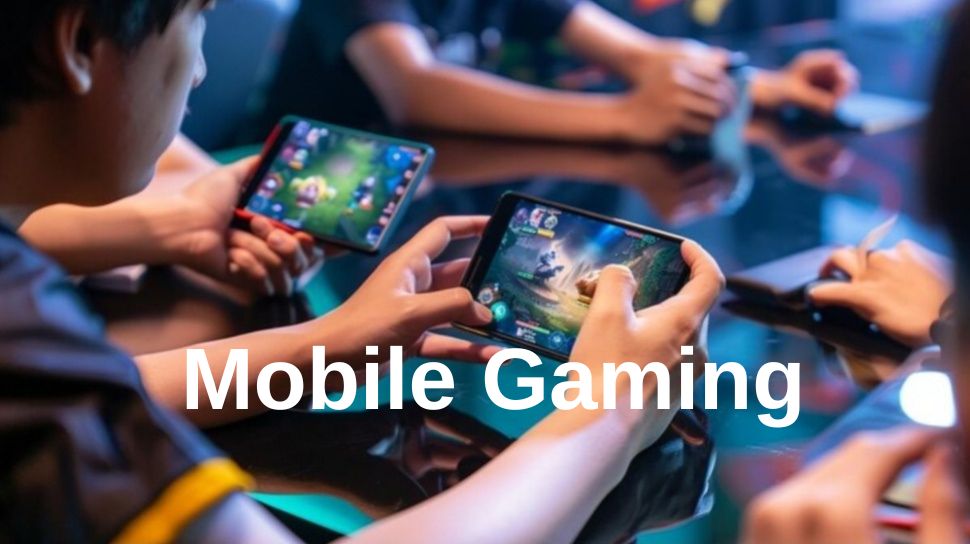
Your phone already sits in your hand, so it makes sense that gaming slips naturally into those gaps. Mobile games don’t demand a console, a desk or even much planning. Convenience, combined with thoughtful design, explains why so many people now reach for a game when boredom creeps in.
Instant accessibility
Mobile gaming works because it removes friction. You unlock your phone, tap an icon and you’re playing within seconds. Recent data from the Office of Rail and Road shows that 451 million rail journeys were made by passengers in Great Britain from April to June 2025. If you find yourself on a long commute or stuck on a delayed train, a game fills that space without fuss.
You also carry your progress with you, so you can dip in wherever you are and pick up exactly where you left off. Try keeping one lightweight game installed purely for these moments so you always have a ready distraction.
Short sessions or longer play
Many mobile games respect your time. Some levels finish in under a minute, which suits quick bursts of play when your attention sits elsewhere. Others let you sink deeper if you have a free evening and want to focus. For example, a puzzle game might let you solve one challenge while the kettle boils, then tempt you to tackle a harder one later when you can think properly. That flexibility makes gaming feel less like a commitment and more like a tool you use as needed.
Simple controls
Touchscreens encourage straightforward interaction. Tapping, swiping and dragging feel intuitive because you already use them every day. You don’t have to memorise button combinations or learn a complex interface before you enjoy yourself.
Games like mobile bingo are easy to play and you can follow the action without confusion. This simplicity lowers the barrier to entry, especially if you don’t consider yourself a traditional gamer, and it means you spend your time playing rather than figuring out how to play.
Gaming for relaxation
Light, task-based games give your brain something enjoyable to do without pulling you away from real life. Focusing on simple actions, like arranging tiles or matching colours, adds a sense of momentum to quiet moments and keeps your mind gently engaged.
When you use these games deliberately as a small reward or a way to pass time pleasantly, they turn everyday boredom into something more upbeat and refreshing.