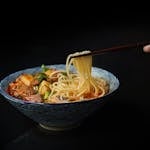






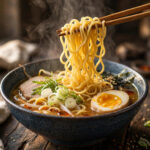

If one dish could represent Vietnam to the world, it would be pho. Pronounced roughly “fuh”, this fragrant noodle soup pairs a clear, spice-scented broth with flat rice noodles, tender meat and a tangle of fresh herbs. It is eaten at any hour — most traditionally for breakfast — from street stalls in Hanoi to restaurants in London and Los Angeles. Pho looks simple, and that is its deception: everything depends on a broth that takes patience and a handful of techniques any home cook can learn.
What Is Pho?
Pho emerged in northern Vietnam in the early twentieth century, around Hanoi and Nam Dinh, and spread south and then worldwide. The two classic versions are pho bo, made with beef, and pho ga, made with chicken. A bowl is built in layers: noodles at the bottom, meat over them, boiling broth ladled on top to finish the cooking, and herbs added at the table by the person eating. That final, personal step — adjusting your own bowl with lime, chilli and sauces — is part of the dish’s charm.
The Broth Is Everything
A great pho broth is clear enough to see the noodles through, yet tastes deeply of meat and spice. Two techniques define it. First, the aromatics: a halved onion and a chunk of ginger are charred — over a flame, under a grill or in a dry pan — until blackened in spots, which gives the broth its signature gentle smokiness and sweetness. Second, the spices: star anise, cinnamon, cloves, black cardamom and coriander seed, toasted briefly until fragrant. Bones or meat are parboiled for a few minutes and rinsed before the real simmer, and the pot is kept at a bare simmer — never a rolling boil — with the surface skimmed. Boiling is what turns pho broth cloudy; patience keeps it clear. Fish sauce and a little rock sugar balance the seasoning at the end.
The Noodles: Banh Pho
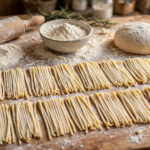
Pho uses flat rice noodles called banh pho, sold fresh or dried. Dried noodles should be soaked in warm water until pliable, then blanched in boiling water for only seconds before serving — they continue softening in the hot broth, so they should start slightly firmer than you want to eat them. Fresh noodles need just a quick dip. Either way, noodles that sit around after cooking turn gummy; prepare them last, bowl by bowl.
Toppings and Herbs
Beef pho traditionally combines several cuts: thin slices of raw beef that cook instantly in the boiling broth, plus brisket or flank simmered in the pot, and often beef balls or tripe for those who like them. Chicken pho uses poached chicken, shredded over the noodles. What never changes is the plate of fresh additions served alongside: Thai basil, coriander, mint, bean sprouts, spring onions, lime wedges and sliced chilli, with hoisin sauce and sriracha for the table. The herbs go in at the last moment so their flavour stays bright against the warm, spiced broth.
How to Make Pho at Home: A Simple Version
Step 1: Char a halved onion and a piece of ginger until blackened in spots; toast the spices in a dry pan for two minutes. Step 2: Simmer beef bones and brisket — or a whole chicken for pho ga — in water with the onion, ginger and spices: two to three hours for beef, forty-five to sixty minutes for chicken, skimming as needed. Step 3: Season gradually with fish sauce and a little rock sugar, tasting as you go. Step 4: Soak and blanch the rice noodles; slice the raw beef paper-thin if using. Step 5: Assemble each bowl — noodles, meats, spring onion — and ladle over broth at a full boil. Serve with the herb plate and sauces, and let everyone finish their own bowl.
Mistakes to Avoid
The commonest failure is a rolling boil, which emulsifies fat into the broth and turns it milky. Second is skipping the charring, which flattens the flavour. Third, over-soaking the noodles so they disintegrate in the bowl. Fourth, seasoning heavily at the start: fish sauce intensifies as the broth reduces, so most of the adjustment belongs at the end. Finally, do not cook the herbs in the pot — they belong fresh, on top, at the table.
Frequently Asked Questions
What is Vietnamese noodle soup called?
It is called pho (pronounced roughly “fuh”). The beef version is pho bo and the chicken version is pho ga. It is Vietnam’s most famous noodle soup, built on a clear, spice-scented broth and flat rice noodles.
What noodles are used in pho?
Flat rice noodles called banh pho. They are soaked until pliable and blanched very briefly, so they stay slightly chewy and finish softening in the hot broth.
What is the difference between pho bo and pho ga?
Pho bo is made with a beef broth and beef cuts such as rare slices, brisket and beef balls. Pho ga uses a lighter chicken broth and shredded poached chicken. The spices, noodles and herb accompaniments are broadly the same.
Can I make pho quickly at home?
A weeknight version using good shop-bought stock, the charred aromatics and toasted spices takes forty-five to sixty minutes and tastes very respectable. The long simmer deepens the flavour, but the aromatics and seasoning do most of the work.